CQC
CQC New Single Assessment Framework: What You Need to Know
12 min read
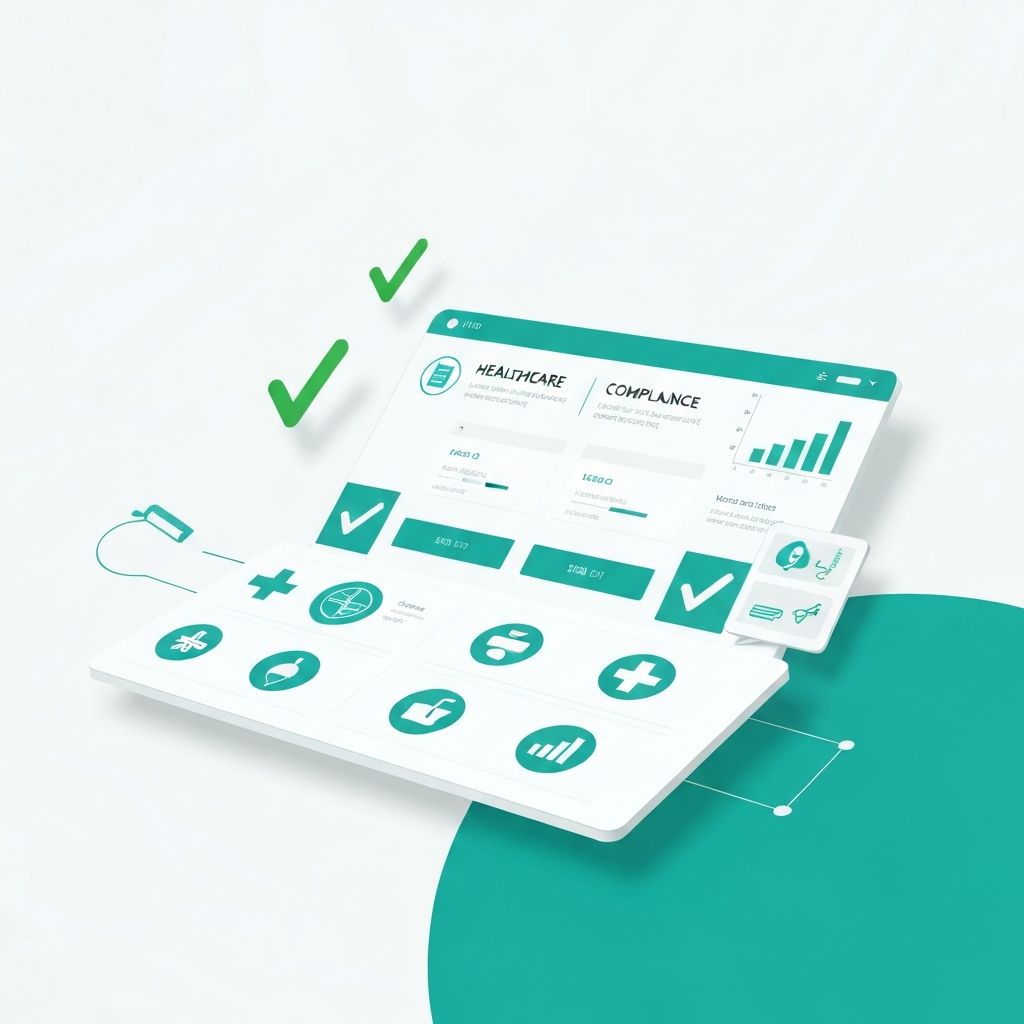
Artificial intelligence has moved from buzzword to essential tool in healthcare compliance. As we progress through 2026, AI-powered systems are fundamentally changing how UK healthcare providers approach regulatory adherence, offering unprecedented levels of automation and insight.
Traditional compliance management relied heavily on manual processes, periodic audits, and reactive responses to regulatory changes. AI transforms this paradigm by enabling continuous monitoring, predictive analytics, and proactive risk identification. Machine learning algorithms can analyse thousands of documents, identify patterns, and flag potential compliance issues before they escalate.
One of AI's most valuable applications is predictive risk assessment. By analysing historical data from CQC inspections, incident reports, and operational metrics, AI systems can identify early warning signs of compliance failures. Healthcare providers using these tools report catching potential issues weeks or even months before they would have been detected through traditional methods.
Keeping pace with regulatory changes is a constant challenge. AI-powered natural language processing can automatically scan NHS England publications, CQC guidance updates, and MHRA bulletins, extracting relevant changes and mapping them to specific compliance requirements for your organisation. This ensures no critical update falls through the cracks.
AI excels at document analysis tasks that would take humans hours. Intelligent systems can review patient care plans, training records, and policy documents to identify gaps, inconsistencies, or outdated information. Some platforms can even suggest specific corrections or updates needed to achieve compliance.
Adopting AI compliance tools requires careful consideration. Data quality is paramount—AI systems are only as good as the information they're trained on. Integration with existing clinical systems, staff training, and robust governance frameworks are essential for successful implementation. The human element remains crucial; AI augments but doesn't replace professional judgement.
As AI technology continues to advance, we expect even more sophisticated applications in healthcare compliance. From voice-activated compliance assistants to real-time inspection preparation tools, the possibilities are expanding rapidly. Providers who embrace these technologies now will be better positioned for the increasingly complex regulatory landscape ahead.
Founder & CEO of Klarifie with over 15 years of experience in healthcare compliance and technology.