Technology
How AI is Transforming Healthcare Compliance in 2026
10 min read

Staff training compliance is cited in a significant proportion of CQC enforcement actions. Yet many providers struggle to move beyond a tick-box approach to training that satisfies neither regulators nor staff. This guide presents a framework for building effective training compliance.
Training requirements come from multiple sources: statutory and mandatory training defined by NHS frameworks, professional registration requirements, CQC expectations, role-specific competencies, and organisational policies. The first step is mapping all applicable requirements to create a comprehensive training matrix for each role in your organisation.
Core statutory and mandatory training typically includes: fire safety, health and safety, manual handling, infection control, safeguarding (adults and children), information governance, equality and diversity, and basic life support. Requirements vary by role—clinical staff generally have more extensive requirements than administrative staff.
Different training topics have different refresher frequencies. Some annual requirements include fire safety and mandatory updates. Other topics may require three-yearly or role-dependent refresher cycles. Tracking multiple different cycles for multiple staff members requires robust systems to prevent lapses.
Regulators increasingly distinguish between training attendance and demonstrated competency. Simply completing an e-learning module is insufficient for many topics. Assessment methods should be proportionate to risk—practical assessments for high-risk activities, knowledge checks for awareness topics. Documentation must evidence both completion and competency.
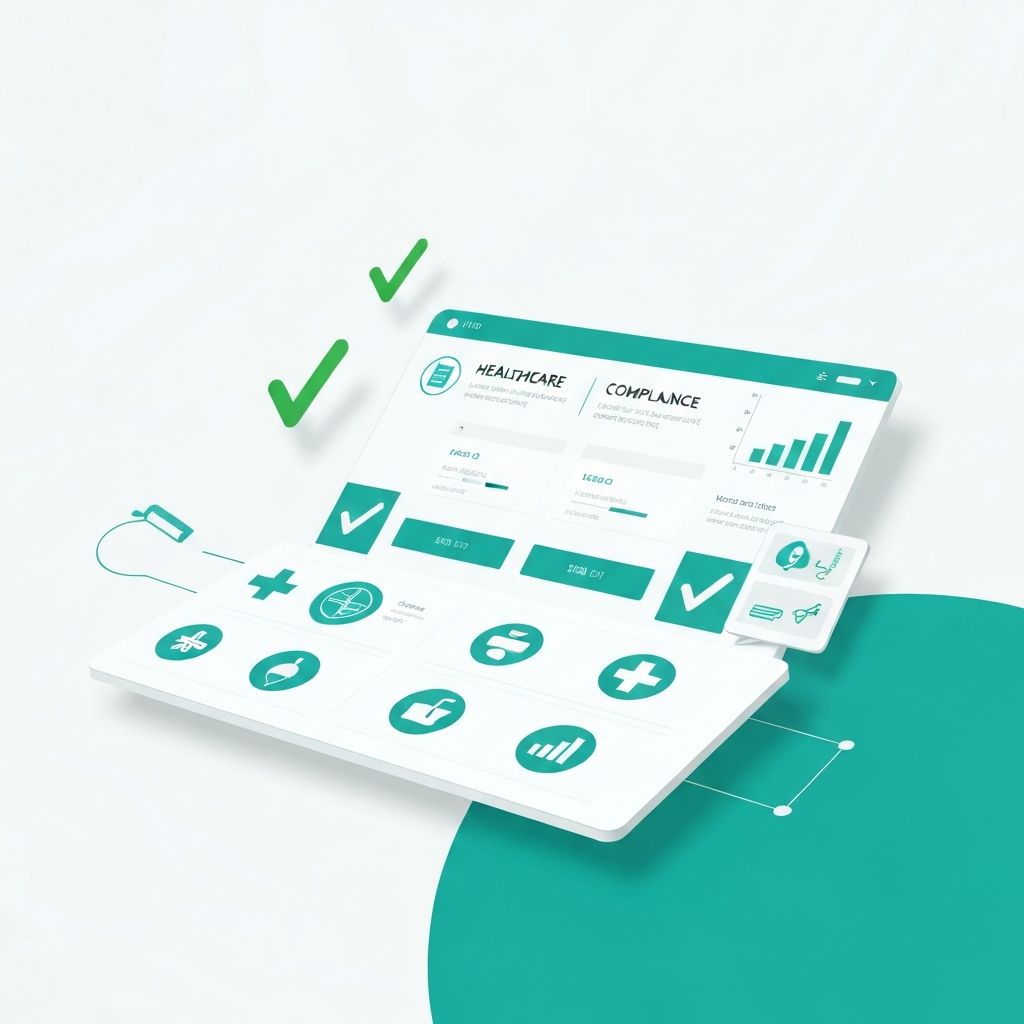
Manual tracking of training compliance quickly becomes unmanageable at scale. Learning management systems (LMS) can automate reminders, track completions, and generate compliance reports. Integration with HR systems ensures new starters are automatically enrolled in required training. Dashboard visibility helps managers identify and address gaps.
Training compliance should be regularly reviewed at senior management level. Key metrics include overall compliance rates, time to complete for new starters, areas of persistent non-compliance, and trends over time. Accountability for addressing gaps should be clearly assigned. Link training compliance to other performance management processes.
The best training programmes go beyond compliance to genuine learning. Blend e-learning with practical application and discussion. Use real scenarios from your organisation. Gather feedback and continuously improve content. When staff see training as valuable rather than burdensome, compliance naturally improves.
Founder & CEO of Klarifie with over 15 years of experience in healthcare compliance and technology.